Ranked Grind vs Unrated Practice: Which Valorant Mode Actually Improves Your Aim and Game Sense
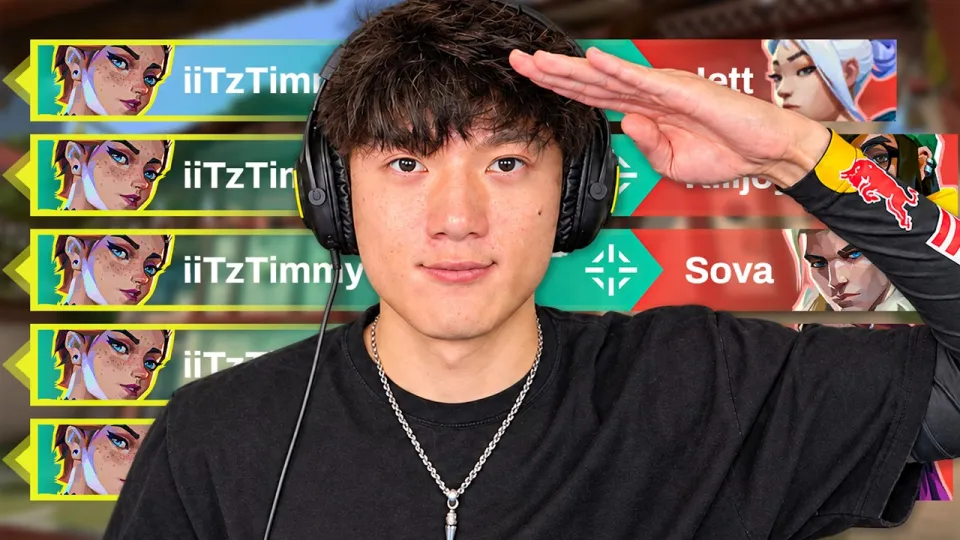
Video: I Might Be Getting TOO Good at Valorant… (Lowest To Highest Rank Challenge)
You can order the same kind of articles for your own video to boost it on YouTube and Google. Just message the Telegram bot @sat_sit_bot. The bot writes and publishes the articles itself (with your YouTube video embedded) on popular topical websites (no ads). Try it free: 50 articles on us.
Valorant ranked is better than unrated for improving aim and game sense because it forces you to adapt to real opponents, manage economy, and communicate under pressure—while unrated and Swiftplay are best for warm-up and experimenting with agents. If you want to climb, spend most of your time in ranked and treat unrated as a practice tool, not a substitute. You can watch iiTzTimmy's live ranked grind on Twitch to see how a Radiant player approaches lower-ranked lobbies.
Why ranked beats unrated for actual improvement
Ranked matches in Valorant are the only environment where every round matters for your rating, so you naturally focus harder and make fewer careless mistakes. Unrated and Swiftplay have hidden MMR, but players experiment more, dodge agent picks, and often leave after a few rounds. In ranked, you face opponents who are also trying to win, which exposes your weaknesses faster. For aim training, ranked forces you to take duels under real pressure—not the predictable angles of Deathmatch. Game sense improves because you must read enemy economy, ult status, and rotations with stakes attached. iiTzTimmy's lowest-to-highest rank challenge demonstrates this: even a former Radiant player has to adjust to chaotic low-elo teammates and unpredictable pushes, proving that ranked is a different beast from casual modes.
What the lowest-to-highest rank challenge reveals about low elo
In the first game of iiTzTimmy's challenge, a Cypher teammate repeatedly blamed his team for losses and even invented comms that were never called—a classic symptom of low-elo mental. The clip shows how quickly frustration builds when players lack basic communication and map awareness. Instead of copying that behavior, use low-elo games to practice patience: mute toxic teammates, focus on your own crosshair placement, and call simple info like "A cage" or "one long" without expecting reciprocation. Timmy's calm approach—ignoring the noise and taking duels—is the model to follow. Low elo is not about outsmarting opponents; it's about minimizing your own mistakes while they make theirs.
How to use unrated and Swiftplay correctly
Unrated and Swiftplay are not useless—they serve specific purposes: warm-up, learning a new agent, or practicing a specific mechanic like counter-strafing or line-ups. Use them before ranked sessions to get your mouse feel back, but don't expect to improve game sense there. Swiftplay's shorter format is great for quick aim duels, but the lack of economy management means you won't learn when to force-buy or save. A good routine: 10 minutes of Aim Lab or Deathmatch, one Swiftplay to warm up movement, then ranked for the rest of your session. Reserve unrated for trying new strategies with friends or when you're too tired to play seriously.
The mental game: avoiding the Cypher trap
The biggest difference between ranked and unrated is mental pressure, and the Cypher in Timmy's first game is a perfect example of what not to do. He nitpicked every teammate's play, blamed others for his own bad positions, and tilted so hard that he stopped hearing actual comms. In ranked, you will encounter players like this regularly. The fix is simple: mute them early, never argue, and focus on your own win condition. If you feel yourself tilting, take a break—ranked losses compound when you're angry. Timmy's ability to stay composed while a teammate rages is a skill worth copying. Remember that every ranked game is a chance to practice emotional control, which is as important as aim.
Aim and game sense drills that transfer to ranked
To improve aim for ranked, combine Deathmatch with focused drills: 15 minutes of Aim Lab (Gridshot or Sixshot), then one Deathmatch where you only take even or advantageous duels. For game sense, review one ranked loss per day and note why you died—was it a bad peek, missing info, or poor economy? Timmy's flick at 36:07 in the video shows how high-level players pre-aim common angles and react to tiny visual cues, which comes from thousands of ranked reps. In low elo, focus on crosshair placement at head level and clearing angles methodically; don't copy Radiant-level aggression without the mechanics to back it up. Use ranked to test your improvements, not unrated.
Common questions about ranked vs unrated in Valorant
Many players wonder if unrated can replace ranked for practice—it can't, because the lack of stakes changes opponent behavior. Others ask whether aim trainers are necessary; they help, but ranked duels are the real test. A frequent concern is dealing with toxic teammates like the Cypher in Timmy's game: mute and report, then refocus on your own play. Finally, some believe low elo is impossible to escape without a duo; while a duo helps, solo improvement in ranked is still the fastest way to climb if you focus on your own mistakes.
Useful links
- iiTzTimmy on Twitch — live ranked gameplay and challenges.
- iiTzTimmy on Twitter — updates and clips.
- iiTzTimmy on Instagram — behind-the-scenes content.
- iiTzTimmy on TikTok — short highlights.
- iiTzTimmy Discord — community and LFG.
Final thoughts
Ranked is the better mode for improving aim and game sense in Valorant because it simulates the pressure and decision-making of real competition, while unrated and Swiftplay are best used as warm-up tools. iiTzTimmy's lowest-to-highest rank challenge shows that even elite players must adapt to low-elo chaos, and the mental resilience he displays is as instructive as his mechanics. If you want to climb, prioritize ranked, review your losses, and mute toxic teammates early. For more live ranked action and challenge runs, follow iiTzTimmy on Twitch and subscribe to iiTzTimmy Two for similar breakdowns.
Key takeaways
- iiTzTimmy's 'Lowest To Highest Rank Challenge' in Valorant shows a Radiant-level player climbing from low elo, highlighting the gap between raw mechanics and ranked discipline.
- Unrated and Swiftplay are for warm-up and experimentation; ranked is where you learn to adapt to real opponents and manage economy.
- In low elo, teammates often lack comms and blame each other—as seen in the Cypher who tilted hard in the first game of the video.
- High-elo lobbies demand faster decision-making and off-angle awareness; Timmy's fake AFK and aggressive peeks exploit lower-rank habits.
- To improve aim, mix Aim Lab or Deathmatch with ranked; game sense comes from reviewing ranked losses, not from stomping unrated.
Questions & answers
Is ranked better than unrated for improving aim in Valorant?
Yes, ranked is better because opponents try harder and every round has rating stakes, which forces you to take duels under pressure. Unrated and Swiftplay are useful for warm-up and experimenting, but they don't replicate the decision-making and economy management of ranked. For pure aim, combine ranked with Deathmatch and Aim Lab drills.
How do I deal with toxic teammates who blame others like the Cypher in the video?
Mute them immediately and avoid arguing—engaging only distracts you. Focus on your own crosshair placement and call simple, useful info even if they don't reciprocate. After the match, report if necessary and take a short break if you feel tilted. Remember that emotional control is a skill you can practice in every ranked game.
Can I climb out of low elo without a duo?
Yes, solo climbing is possible if you focus on minimizing your own mistakes and playing consistently. Low-elo games are chaotic, so stick to fundamentals: trade teammates, play off their contact, and avoid overextending. A duo can help with communication, but improving your individual impact in ranked is the fastest long-term solution.
What warm-up routine should I use before ranked?
Spend 10–15 minutes in Aim Lab or Deathmatch to get your mouse feel back, then one Swiftplay to warm up movement and abilities. Avoid jumping straight into ranked after a long break—your first game is often your worst. Save unrated for trying new agents or strategies with friends, not as a substitute for ranked practice.
Source: I Might Be Getting TOO Good at Valorant… (Lowest To Highest Rank Challenge) · Markdown version